

As fitness enthusiasts increasingly turn to home workouts, building a home gym has become more popular than ever. Having the right gym equipment at home not only provides the convenience of exercising at your own pace but also allows you to tailor your workouts to your specific fitness goals. Whether you’re looking to create a space for strength training, cardio, or a mix of both, this guide will help you identify the must-have gym equipment to create an effective and versatile home gym.
Why Build a Home Gym?
Building a home gym offers numerous benefits that make it a worthwhile investment. Here are some reasons why fitness enthusiasts are choosing to work out at home:
- Convenience: One of the biggest advantages of having a home gym is the convenience it offers. You can work out whenever you want, without the need to travel to a gym or adhere to its operating hours.
- Personalised Environment: A home gym allows you to create a workout space that suits your preferences. You can choose the equipment, decor, and music that motivates you, creating an environment that enhances your workout experience.
- Cost-Effective: While the initial investment in gym equipment might seem high, it can be more cost-effective in the long run. You’ll save money on gym memberships, travel expenses, and possibly even personal training fees.
- Privacy: Working out at home provides privacy, allowing you to exercise without feeling self-conscious or distracted by others. This can be particularly beneficial for beginners or those who prefer a more focused workout environment.
Essential Gym Equipment for a Home Gym
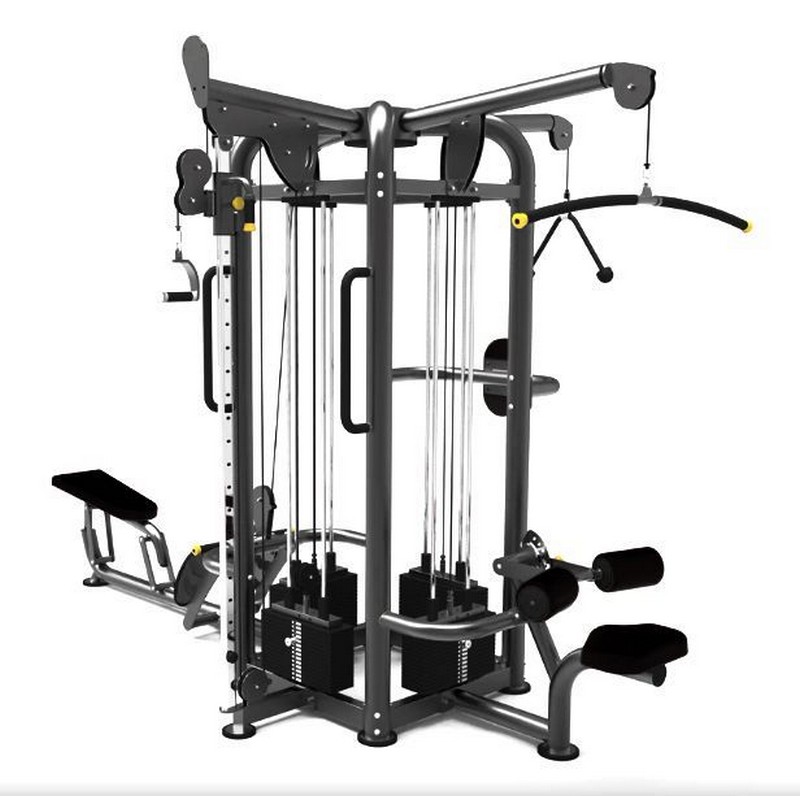
When building a home gym, it’s important to choose equipment that aligns with your fitness goals. Here’s a list of essential gym equipment to consider:
- Treadmill or Stationary Bike: For cardio enthusiasts, a treadmill or stationary bike is a must-have. These machines provide an effective way to get your heart rate up and burn calories, all from the comfort of your home. Treadmills offer versatility, allowing you to walk, jog, or run, while stationary bikes are great for low-impact cardio that targets the lower body.
- Free Weights (Dumbbells and Kettlebells): Free weights are essential for strength training and offer endless possibilities for workouts. Dumbbells are versatile and can be used for a variety of exercises that target different muscle groups. Kettlebells add an extra challenge with dynamic movements that engage the core and improve functional strength.
- Weight Bench: A weight bench is a key piece of equipment for performing various strength training exercises, such as bench presses, dumbbell rows, and tricep dips. Look for an adjustable bench that allows you to change the angle for incline and decline exercises.
- Resistance Bands: Resistance bands are a cost-effective and space-saving alternative to free weights. They’re ideal for adding resistance to bodyweight exercises, improving flexibility, and targeting smaller muscle groups.
- Yoga Mat: A yoga mat is a must-have for floor exercises, stretching, and yoga. It provides a comfortable and supportive surface for your workouts, helping to prevent injuries.
- Pull-Up Bar: A pull-up bar is great for upper body strength training. It allows you to perform pull-ups, chin-ups, and other bodyweight exercises that target the back, shoulders, and arms.
- Medicine Ball: Medicine balls are versatile tools for strength training, core work, and functional exercises. They can be used for a variety of workouts, including throws, slams, and twists.
- Jump Rope: Jump ropes are simple yet effective tools for cardio and coordination training. They’re great for high-intensity interval training (HIIT) and can be used in a small space.
Designing Your Home Gym Space
When setting up your home gym, it’s important to consider the layout and design of the space. Here are some tips for creating a functional and motivating workout environment:
- Choose the Right Space: Select a space in your home that’s dedicated to your workouts. This could be a spare room, garage, or even a corner of your living room. Ensure the space has enough room for your equipment and allows you to move freely during exercises.
- Flooring: Invest in proper flooring that can support your equipment and absorb impact. Rubber flooring is a popular choice for home gyms as it’s durable, slip-resistant, and easy to clean.
- Lighting: Good lighting is essential for a motivating workout environment. Natural light is ideal, but if that’s not possible, ensure your gym space is well-lit with bright, energy-efficient bulbs.
- Storage Solutions: Keep your gym space organised with storage solutions for your equipment. Wall-mounted racks, shelves, and bins can help keep weights, bands, and other gear neatly stored when not in use.
- Mirror: Adding a mirror to your home gym can help you monitor your form during exercises, which is crucial for preventing injuries. It also creates the illusion of more space and enhances the overall look of the gym.
Conclusion
Building a home gym is an investment in your health and fitness that offers long-term benefits. By choosing the right gym equipment and creating a space that motivates you, you can enjoy the convenience and flexibility of working out at home. Whether you’re a cardio enthusiast, strength trainer, or someone who enjoys a mix of both, the right equipment will help you achieve your fitness goals and maintain a healthy lifestyle. Start with the essentials, and gradually expand your home gym as your needs and fitness level grow. With a well-equipped home gym, you’ll have everything you need to stay fit and active, no matter what your schedule or lifestyle demands.