



In our modern era, where environmental concerns are at the forefront of global discussions, the need for sustainable practices extends to every aspect of our daily lives. One crucial area that has been undergoing significant transformations is sustainable food packaging
. The excessive use of plastic and non-biodegradable materials has led to severe environmental consequences. However, a wave of change is sweeping through the industry, bringing with it innovative solutions to create sustainable and eco-friendly food packaging.
The Plastic Predicament
Plastic packaging, with its convenience and durability, has become a staple in the food industry. However, its environmental impact cannot be ignored. Plastics take hundreds of years to decompose, contributing to pollution and harming ecosystems. The quest for alternatives has driven researchers, manufacturers, and consumers to explore sustainable options that balance functionality with eco-consciousness.
Biodegradable Materials Take Center Stage
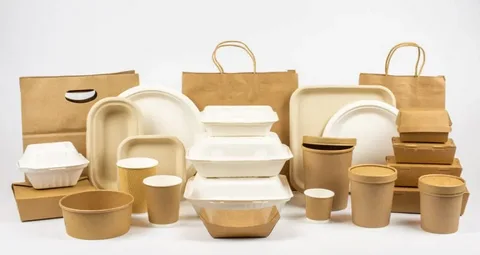
One of the most promising solutions to the plastic problem lies in biodegradable materials. These materials break down naturally, reducing the long-term environmental impact. Compostable packaging from plant-based sources like cornstarch, sugarcane, and bamboo has become popular. Not only do these materials decompose faster than traditional plastics, but they also require fewer natural resources to produce.
Edible Packaging: A Tasty Twist
Imagine enjoying your favourite snack and then devouring the packaging itself. This may sound like science fiction, but edible packaging is a reality. Innovators have been experimenting with creating packaging from edible materials like seaweed, starches, and proteins. Edible packaging not only reduces waste but also adds a fun and unconventional element to the consumer experience.
Mushroom Magic: Mycelium Packaging
Mushrooms are not just a delicious addition to meals; they also hold incredible potential for sustainable packaging. Mycelium, the root structure of fungi, can be moulded into various shapes to create sturdy and biodegradable packaging. This mycelium-based packaging is not only eco-friendly but also has the added benefit of being lightweight and versatile.
Recyclable Innovations
Traditional recycling methods often fall short when it comes to certain types of packaging. However, advancements in recycling technologies are expanding the range of materials that can be recycled efficiently. Companies are developing packaging made from recycled materials, closing the loop and reducing the demand for virgin resources.
The Role of Consumer Awareness
While innovative packaging solutions are crucial, consumer awareness and engagement play a pivotal role in driving change. Educating consumers about the environmental impact of packaging choices empowers them to make sustainable decisions. Brands prioritising transparency and eco-friendly practices often resonate more with environmentally conscious consumers.
Corporate Responsibility
Major players in the food industry are recognising their role in shaping a sustainable future. Many companies are setting ambitious sustainability goals, pledging to reduce plastic usage, increase the use of recycled materials, and invest in research for innovative packaging solutions. Corporate responsibility in packaging is becoming a key factor for consumers when choosing products.
The Road Ahead
Sustainable food packaging is not just a trend; it’s a necessity for the health of our planet. As consumers demand greener options and regulations become more stringent, the food packaging industry will continue to evolve. The future holds exciting possibilities, with ongoing research and development paving the way for even more sustainable and creative packaging solutions.
In conclusion, the shift towards sustainable food packaging is a positive and necessary evolution in our ongoing battle against environmental degradation. From biodegradable materials to edible packaging, the industry is embracing innovative solutions that not only protect the planet but also enhance the consumer experience. As collectively strive for a more sustainable future, the choices made in packaging will have a lasting impact on tomorrow.